TV and connected TV. Spring 2026
Lowest CAC on CTV**. No testimonial required.
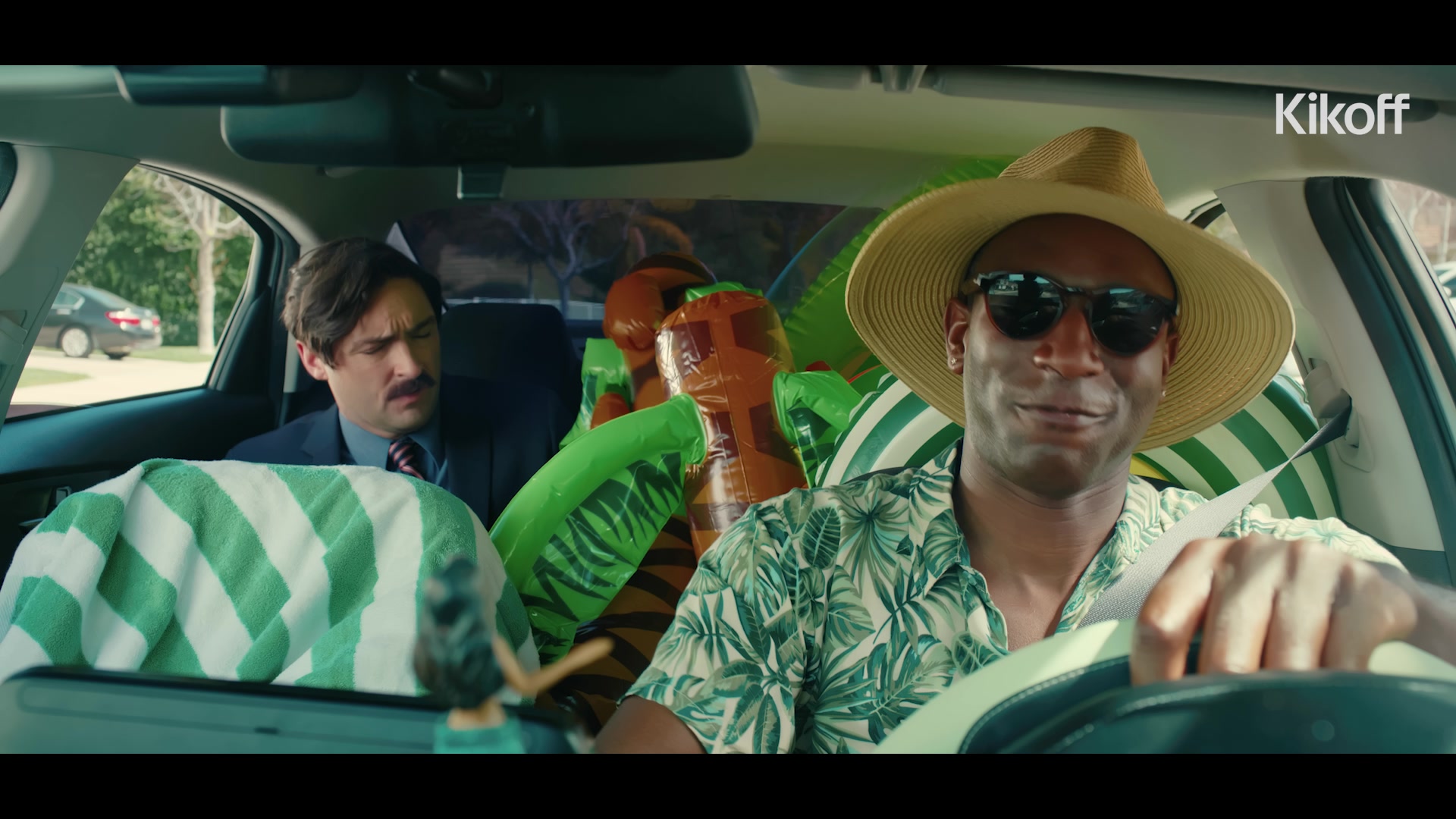
In spring 2026 Kikoff ran its first TV spot that was not a customer testimonial: a rideshare driver, a business traveler, and a $2,000 car loan. On connected TV it acquired customers at $53.99, roughly 30 percent below the testimonial assets it ran against, and both cuts went evergreen.
** blended cost per customer on connected TV, April 22 to May 31, 2026, against $76 to $81 for the evergreen testimonials on the same audience.
- $53.99blended cost per customer on connected TV, Apr 22 to May 31, 2026**
- ~30% lowerthan the evergreen testimonials on the same audience, $76 to $81
- Lowest CACof any Kikoff connected-TV asset to date
- Both cutspromoted into the evergreen rotation on June 1, 2026
My part. Pitched the winning concept, wrote the script, directed messaging on set, and worked the final cuts with the video lead; production (art direction, crew, angles) was the video lead's.
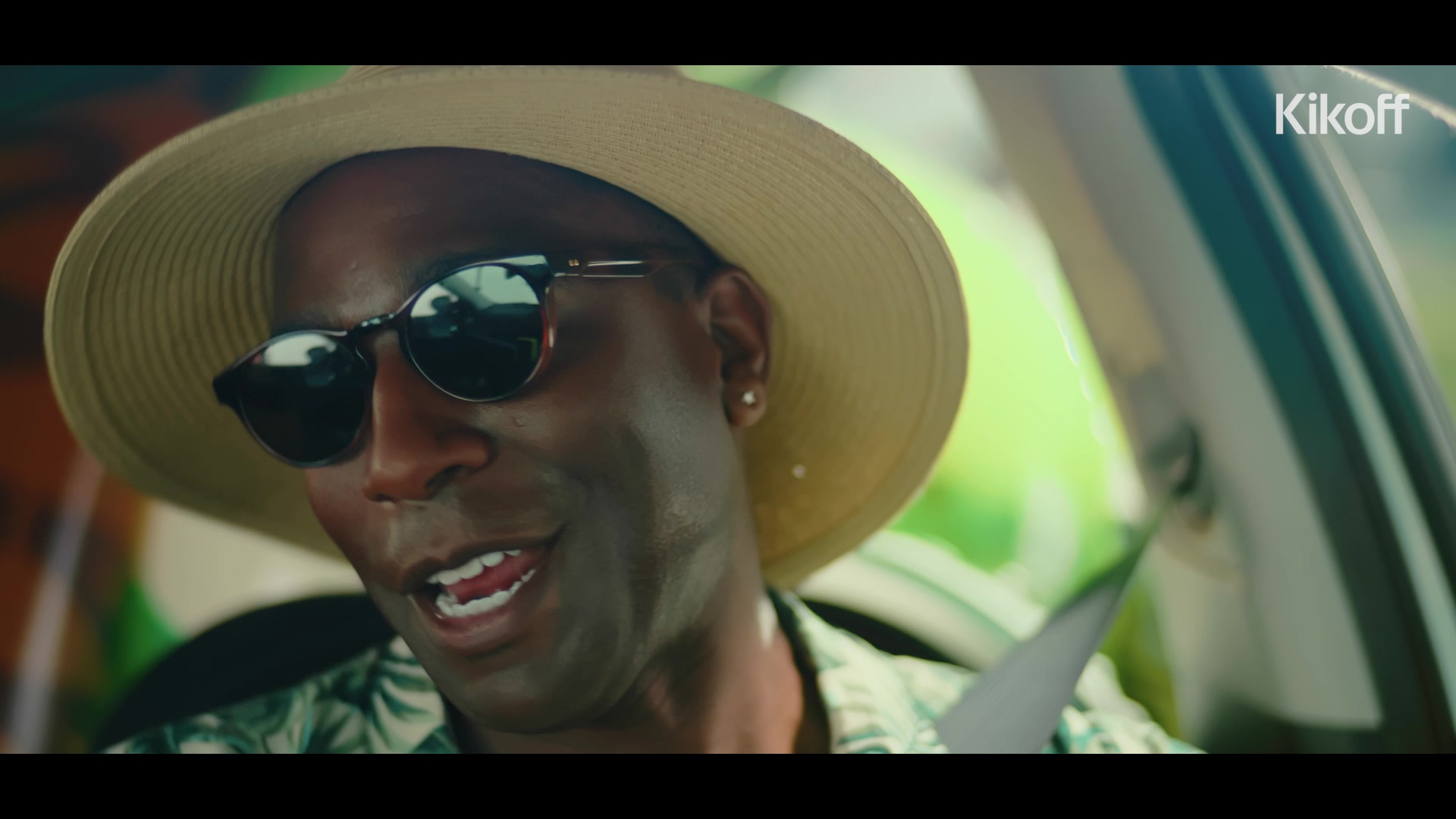
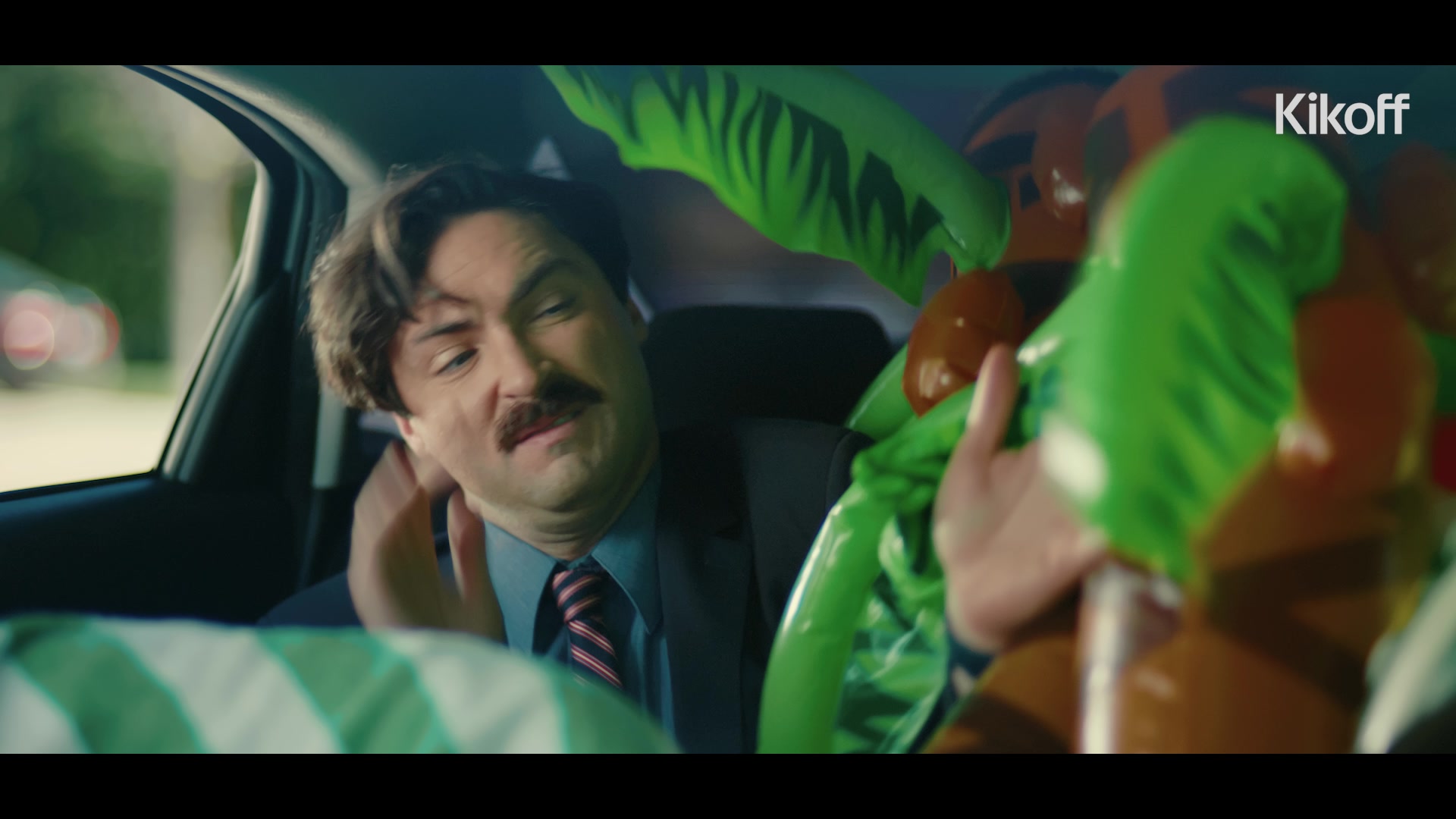
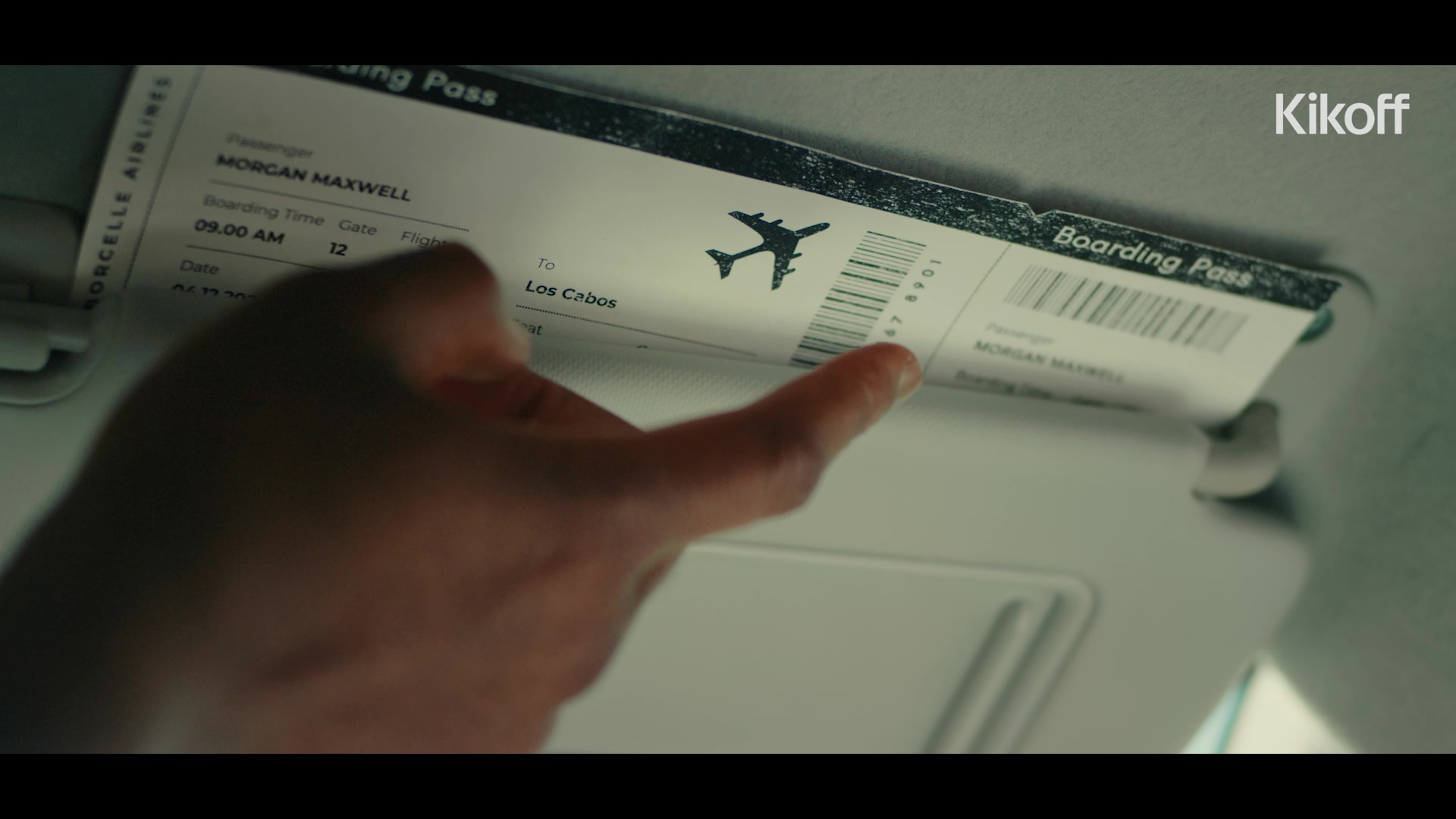
Kikoff's first TV spot that was not a customer testimonial. In early 2026 leadership opened the TV plan to narrative concepts. I pitched Opportunity Cost, wrote the script, and directed the messaging on set; production was the video lead's, and we cut the finals together. The idea came from a paid-social hook I had written a year earlier: I could have saved $2,000 if I'd had better credit when I financed my car. On TV it became a rideshare driver with a car full of beach floats, a business traveler in the back, and one last airport run before the driver's own trip. In its connected TV test, April 22 to May 31, 2026, it acquired customers at a blended $53.99 against $76 to $81 for the evergreen testimonials on the same audience: roughly 30 percent lower, and the lowest CAC of any Kikoff CTV asset to date. Both cuts went evergreen on June 1.
The long version
Kikoff's television playbook was the testimonial. A real customer, a real score, and whatever they happened to say. The best of them, shot in 2023, was still the evergreen champion in 2026, the bar for everything new. On connected TV the evergreen testimonials were acquiring customers at $76 to $81 each. The format had found its ceiling.
For the first trimester of 2026, the company's largest quarterly TV creative budget to date at $150K, leadership opened the plan for the first time to elevated concepts: written and acted spots with no customer in them. Six were budgeted. I pitched Opportunity Cost, and it was selected as the winner.
The idea was older than the brief. In spring 2025 I had written a paid-social hook built on a single sentence: I could have saved $2,000 if I'd had better credit when I financed my car. Credit-building ads usually sell a number going up. This one sold what the number costs you when it does not, and named the price. For TV, the sentence became a scene. A rideshare driver in a straw hat and a palm-print shirt pulls up to a suburban house, his sedan packed to the windows with inflatable beach toys, a hula girl on the dash. His passenger, a man in a suit with a briefcase, is headed to the airport. So is the driver, it turns out. This is his last ride before his own big trip, paid for by the $2,000 better credit saved him on the car. He is going to Cabo. The passenger is going somewhere like Cleveland.
It won for reasons a media buyer could sign off on. The $2,000 is concrete where credit advice is usually abstract. The payoff is a vacation rather than a lecture, aspiration instead of shame. Vacation imagery had already performed in paid social, and the flight dates lined up with spring.
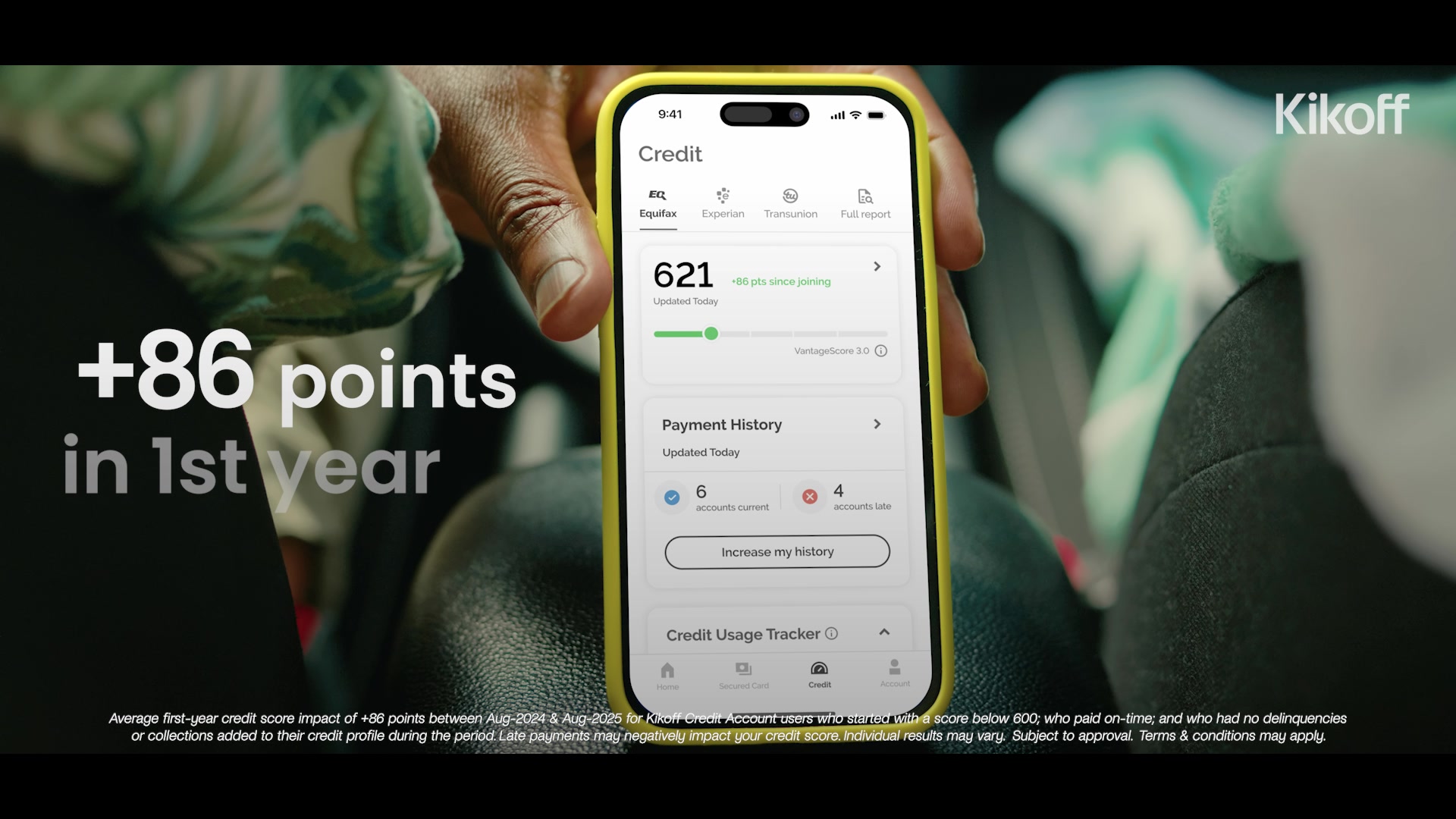
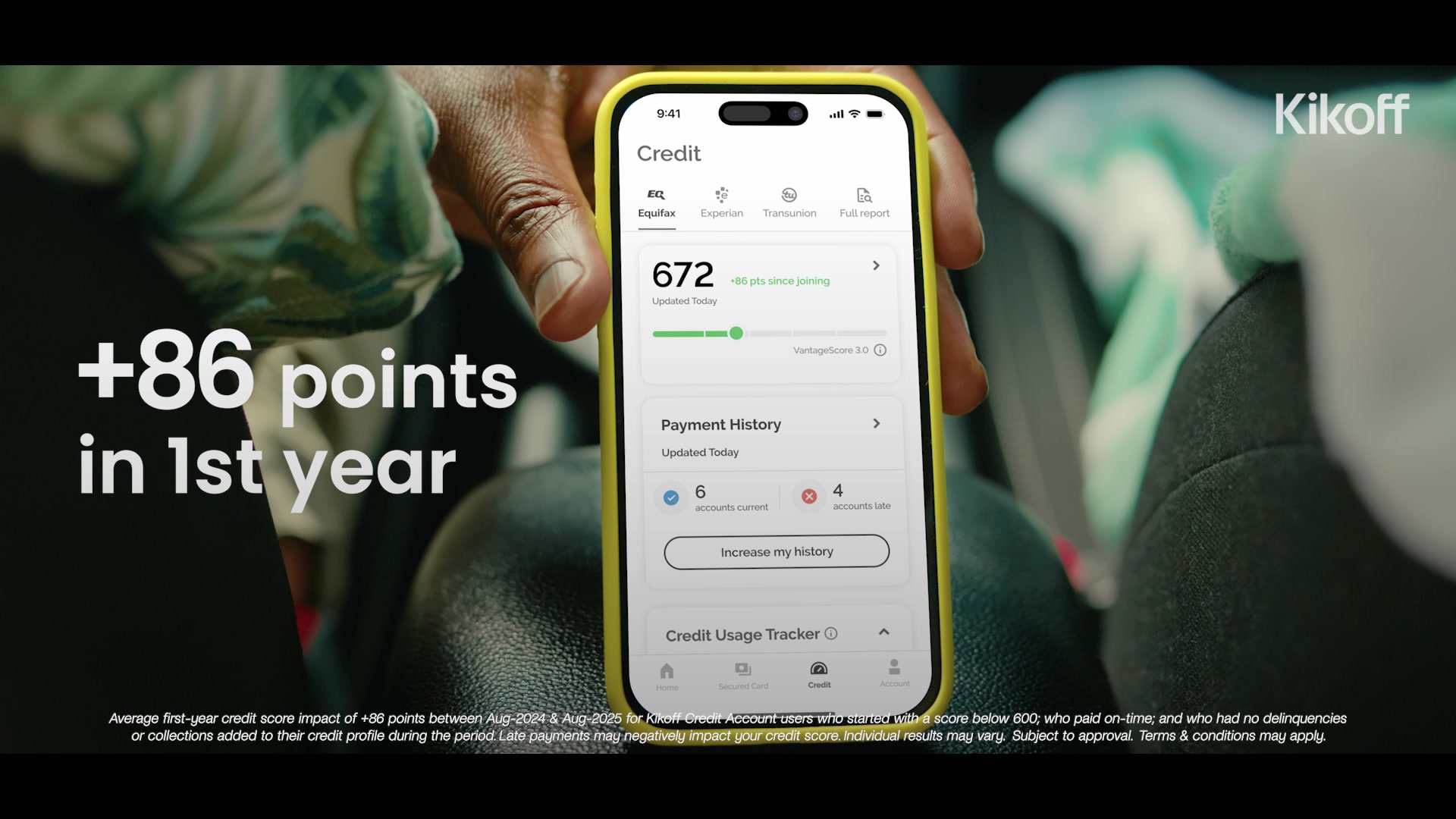
Thirty seconds had to hold the joke, three mandatory value props (86 points in the first year, results in the first month, plans from $5 a month), the compliance language under each claim, and still survive a cut to fifteen. The script came in two versions, dialogue and voiceover, and we chose dialogue: the driver carries the product, the rider carries the comedy, and the Cabo reveal needs two faces in the frame. The car could not move, no permits or budget for that, so the whole spot plays in a parked car. On set in Santa Clarita on Friday, March 13, 2026, I directed the messaging all day, lines, language, and alternates, so the edit had a clean read of every claim at both lengths. The video lead ran production: art direction, crew, angles, and moodboard frames recreated almost exactly. I did the compliance review under the guide I had written, and we worked the final cuts together. Two thirty-second cuts and a fifteen went to test.
The test ran on connected TV from April 22 to May 31, 2026, against a low-credit-score prospecting audience, launch week excluded. The :30s acquired customers at $51.14 and $53.28, the :15 at $60.23, blended $53.99. The evergreen testimonials to the same audience came in at $76 to $81. That is roughly 30 percent lower, and the lowest CAC of any Kikoff CTV asset to date. On June 1 both cuts went into the evergreen rotation. On linear TV the :30 debuted at about $138 and the :15 at $66.57, against prior :30 debuts of roughly $196 to $200. New linear assets start high and fall with exposure, so that is a debut-versus-debut comparison: a strong start, not a resting number.
Here is what I think it argues. In a performance shop, elevated creative usually gets filed under brand, a cost justified with words like awareness. A testimonial's whole value is authenticity, and the price of that value is that you cannot decide what gets said. A written spot trades the one for the other, and the trade can be measured. The way to earn the right to make one is not to argue for taste. It is to put the spot in the same test as the incumbents, on the same audience, and win on their number.
the other cuts

frames
How To Get +3,489% Shares**
RxkNephew x Kikoff
Playboi Carti Producer Announces New Collaboration With Equifax¶
Kikoff recruiting videosLegal Teams Love This Simple Trick: 800+ Launches, 0 Violations‡
The Compliance Guide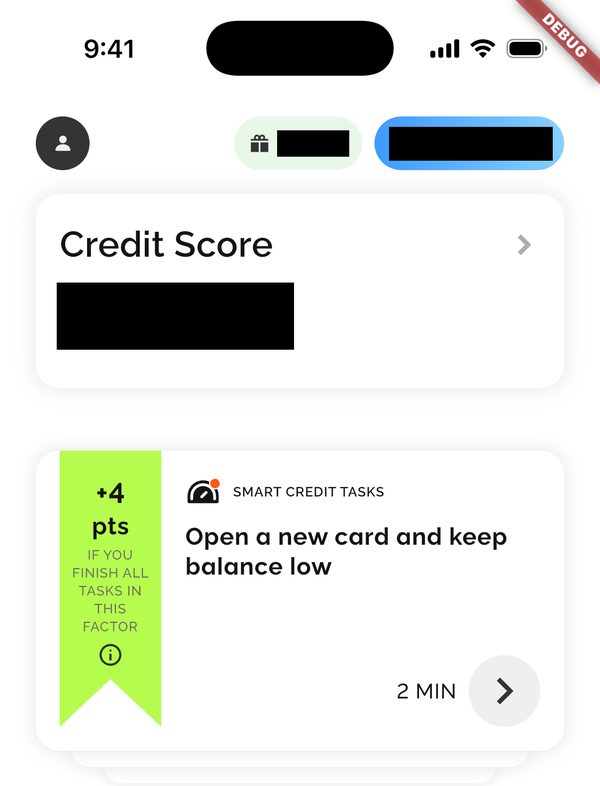
Creative Strategist Builds The Whole Team's Tooling With Zero Engineers
Creative toolingA Former Poet Names A Cash Advance App. You'll Never Guess Which. (You Will.)
Grant$140M+ Of Media Ran On One Creative's Ideas. The Receipts Are Below.§
The scale** share rate against Kikoff's ten highest-spend ads, August 2025. Meta Marketing API. ¶ Glasear (John Ong), a Grammy-nominated producer whose credits include Playboi Carti: three original tracks, commissioned and directed for the recruiting films shot with Equifax, 2026. ‡ ad launches through April 2026, not one compliance flag. § cumulative paid media behind the work, a conservative floor under the tenure estimate.