Paid social, Meta. August 2025
+3,489% share rate**. Standard creator rates.
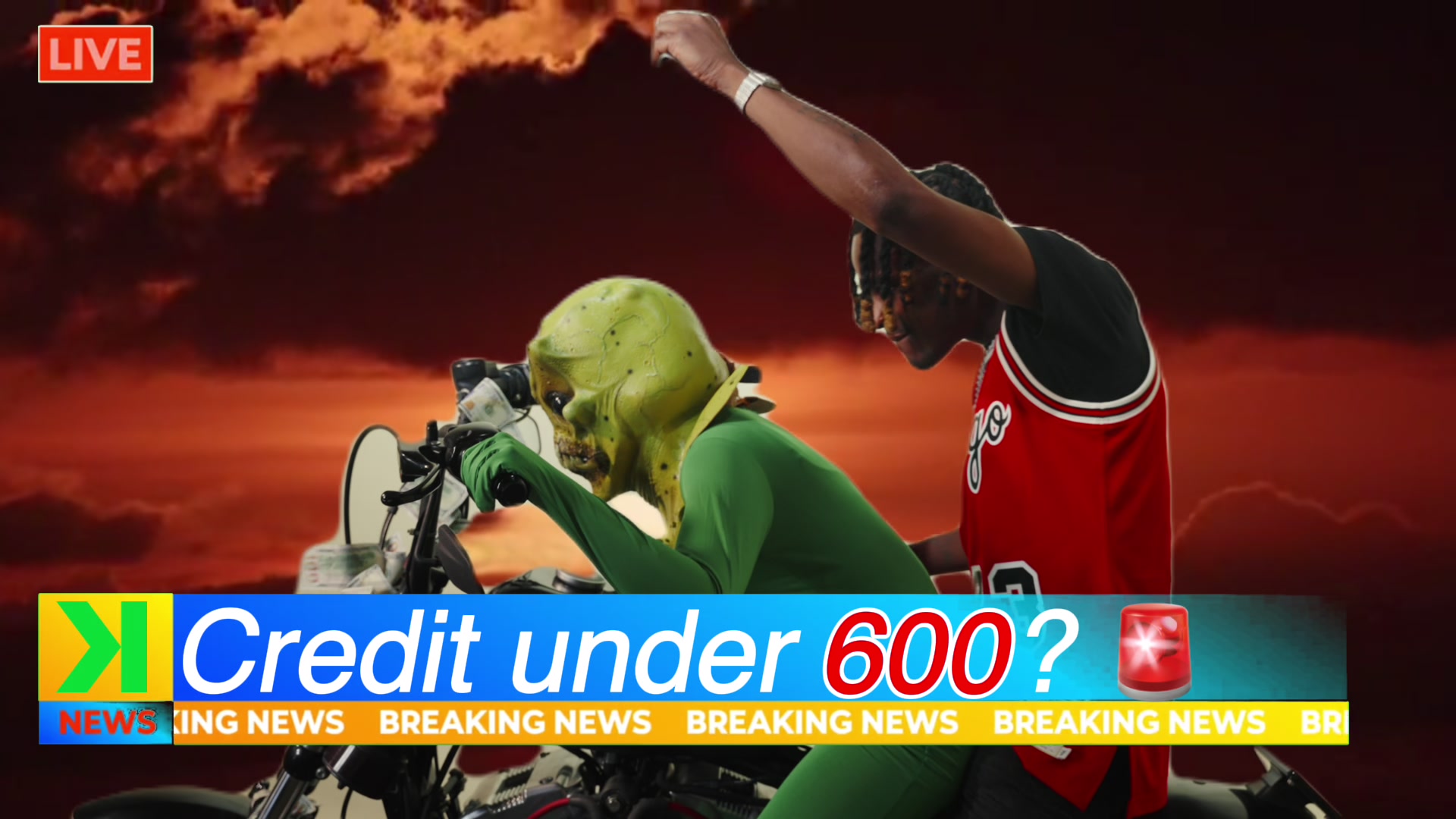
In August 2025 a thirty-second spot with the rapper RxkNephew was shared at 35 times the rate of Kikoff's ten highest-spend ads, and 19 times the rate of the account as a whole, on 0.64 percent of its spend. He was booked at standard creator rates, with perpetual rights.
** share rate against Kikoff's ten highest-spend ads, August 2025. Meta Marketing API.
- +3,489%share rate versus Kikoff's ten highest-spend ads, August 2025**
- 19xthe share rate of the account as a whole, Aug 4 to 31, 2025 (Meta API)
- 1 in 8of the account's August shares, on 0.64 percent of its spend
- $44.50launch-flight cost per customer, against $48.87 for the account
My part. Full ownership: sourced the artist (relationship, not agency), booked at standard creator rates with perpetual rights, concepted, directed production, oversaw post.
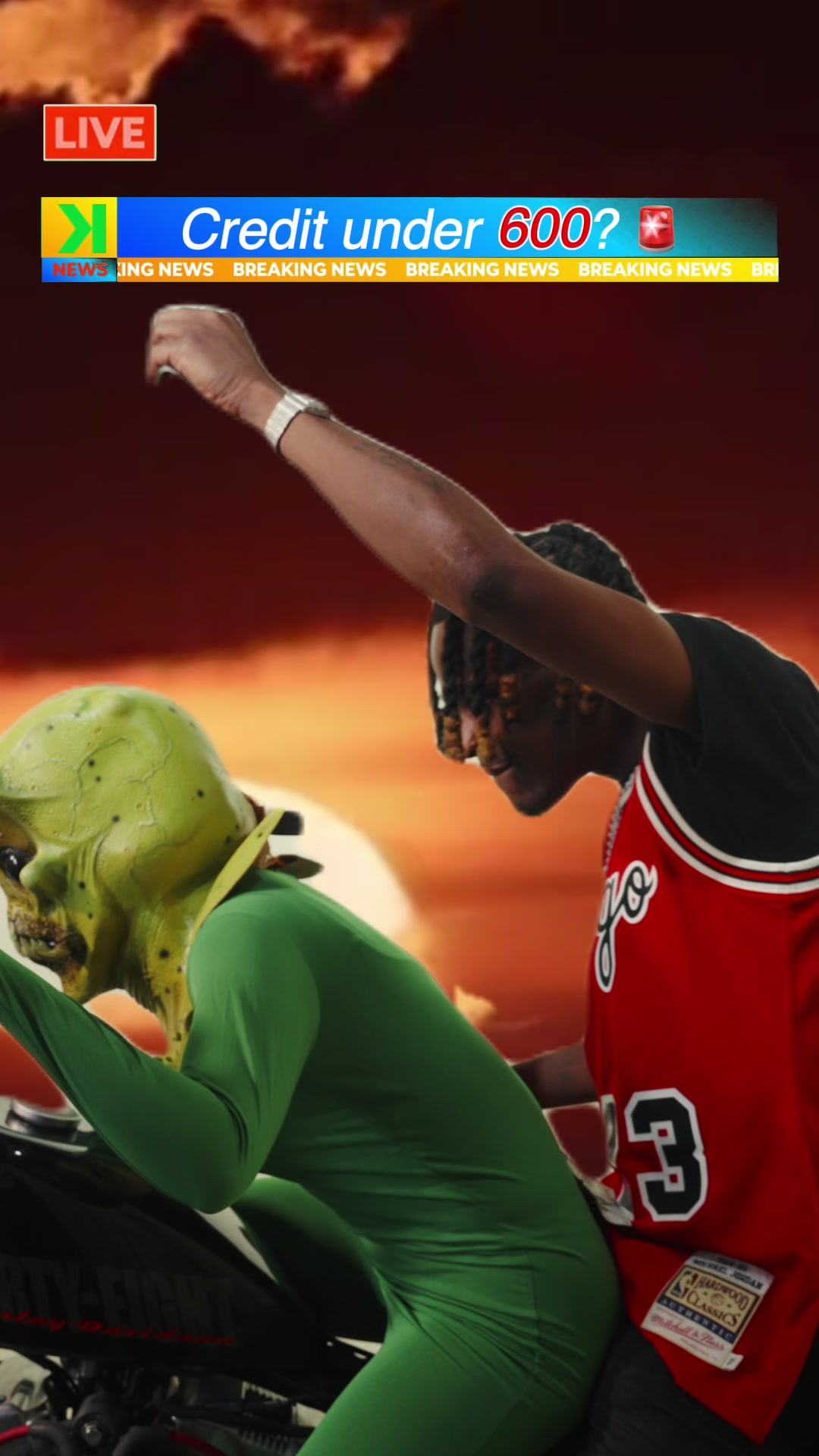
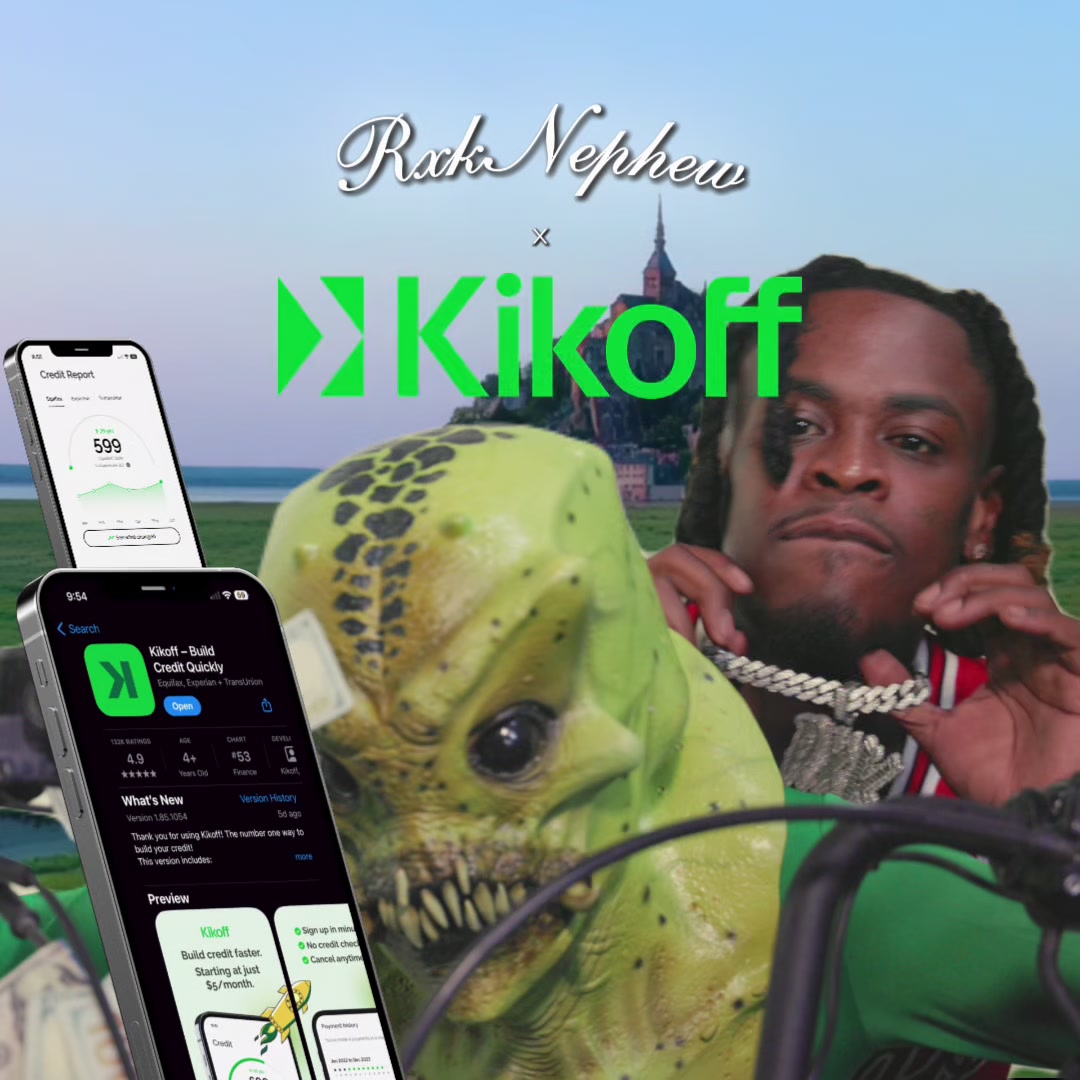
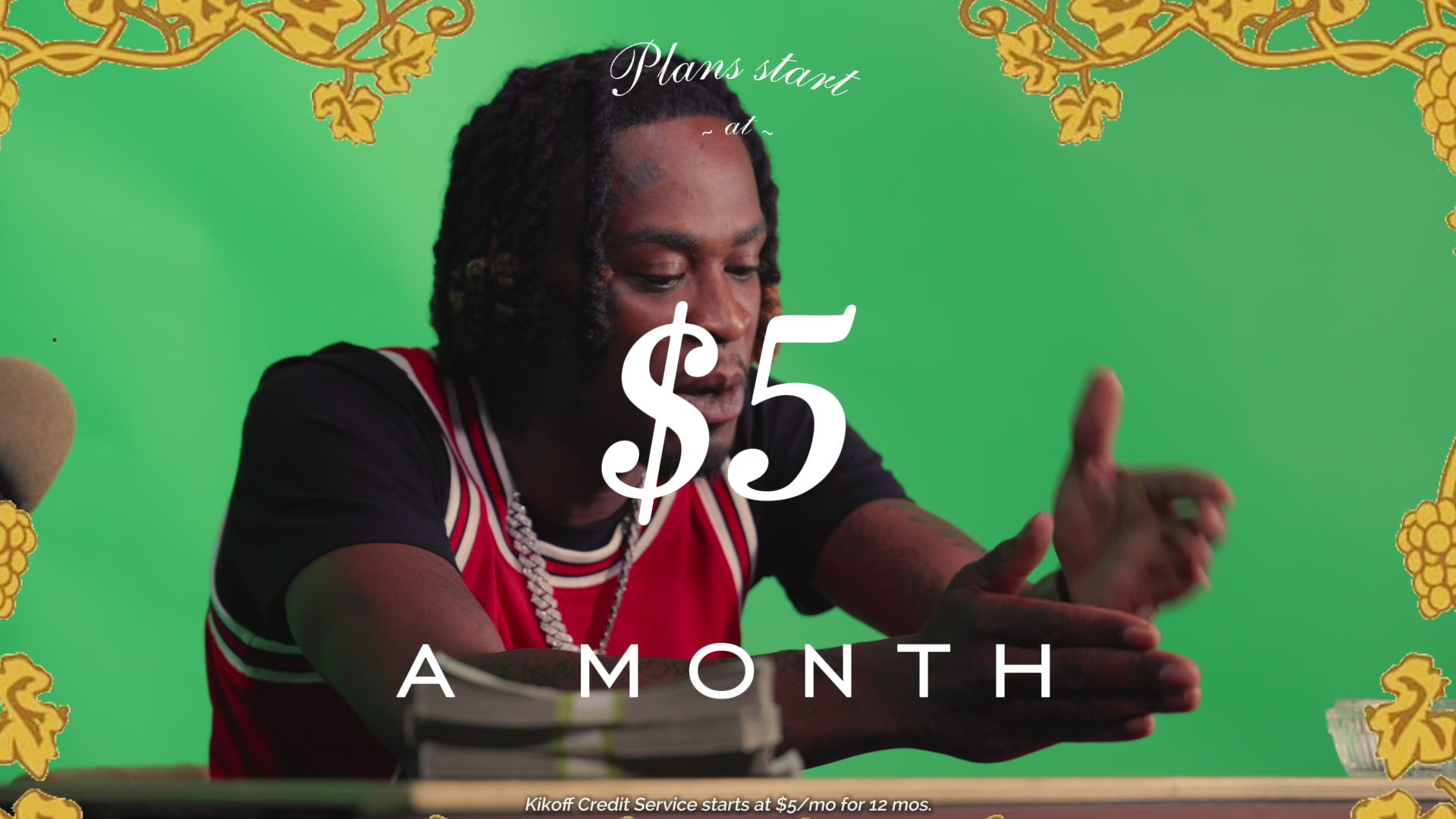
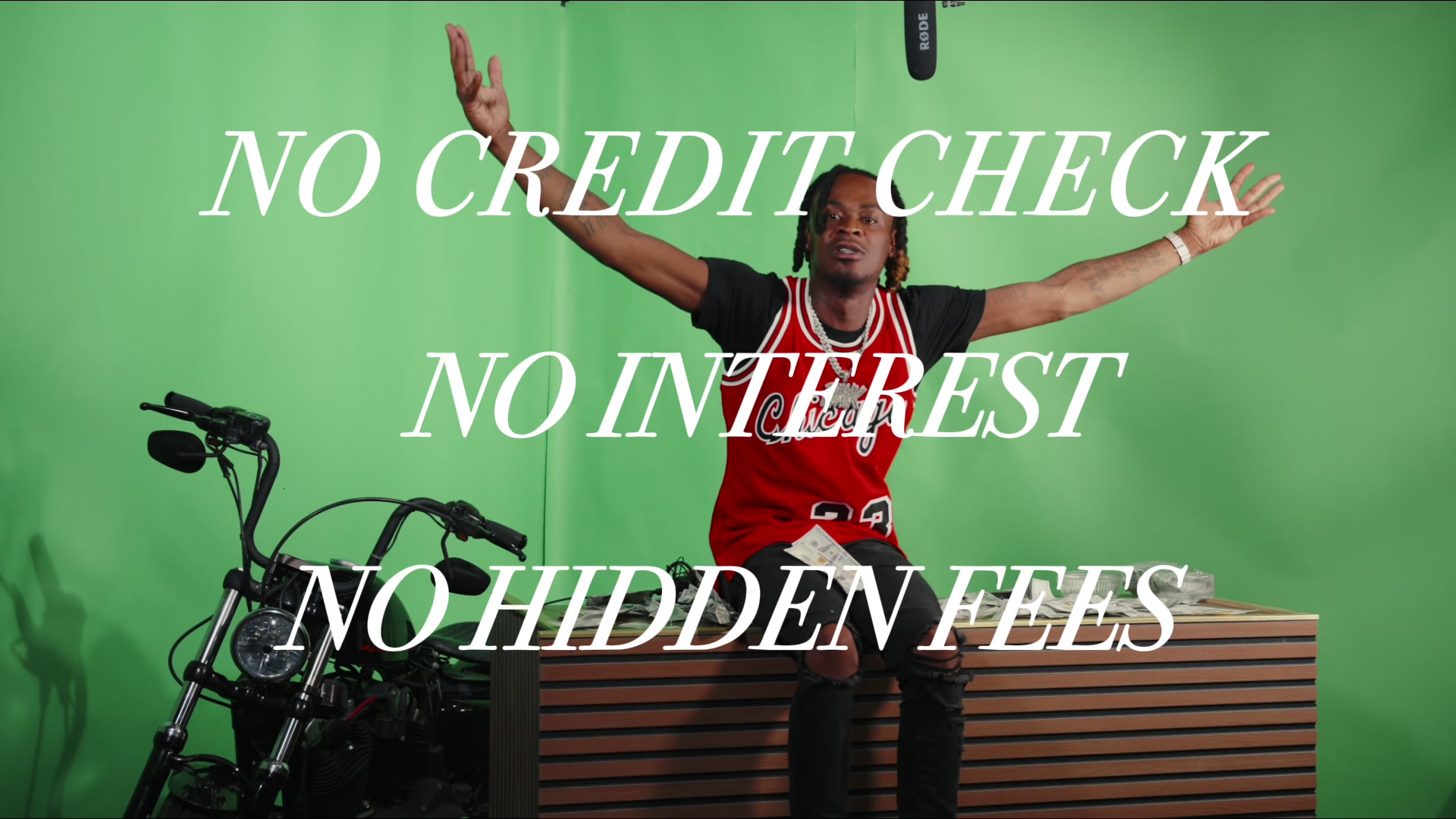
A thirty-second paid social spot built around RxkNephew, the Rochester rapper whose "American TTerroristt" Pitchfork ranked the second-best song of the 2020s so far. I sourced him through a real relationship rather than an agency, booked him at standard creator rates with perpetual footage rights, wrote the concept, directed the shoot, and oversaw post. The ad ran as a dark post on Meta from August 4 to November 3, 2025, on $14,272 of media, and people shared it anyway: a share rate 35 times that of Kikoff's ten highest-spend ads, 1,776 shares where the account's norms predicted about 92, and roughly 480,000 engagement events at three cents each. In August it produced one in every eight shares across Kikoff's entire ad account on 0.64 percent of the spend, and its launch flight beat the account's cost per customer, $44.50 against $48.87. The only ad in the company's history to go viral.
The long version
Nobody shares a performance ad. People watch it or scroll past it, and the whole apparatus exists to measure the fraction who tap. Sharing is a different act. It means a person looked at a piece of paid media and decided it said something about them. On a credit-building app's ad account, that almost never happens. In August 2025, Kikoff's Meta account produced 13,705 shares on roughly $1.9 million of spend. One ad, on $12,257 of that spend, produced 1,685 of them.
That ad was thirty seconds of RxkNephew.
Kikoff's paid social engine ran on testimonials and creator videos: real people, real score jumps, a dependable cost per customer, tested in volume. It worked for the reason most performance creative works: it is never surprising. I spent three years building the creative program behind that machine, and the idea came out of the machine rather than against it. The question was never whether a cultural partnership could sell credit building. It was whether one could do it at the same cost per customer as a testimonial, without the usual price tag.
RxkNephew is a rapper from Rochester, New York: prolific, unfiltered, and beloved in a specific corner of the internet. Pitchfork ranked his "American TTerroristt" the second-best song of the 2020s so far. He is not a celebrity in the way a media buyer means the word. He is a signal. If you know, you know, and the people who know are the young, online, score-curious audience the product exists for. I had followed him for years the way you follow an artist and not a trend, and when the outreach went out in August 2024 it went out as a fan's note, not a procurement form.
That is how the deal got its shape. There was no agency, no rate card, no licensing window. The artist was booked at standard creator rates, the same tier Kikoff paid anyone who shot a selfie video for the brand, and the footage rights were secured in perpetuity. An activation of this class, a named artist with real cultural capital, typically runs six figures. This one was made for a small fraction of that. The production ticket opened on July 21, 2025. The cut was delivered on July 31, and the ad went live on August 4.
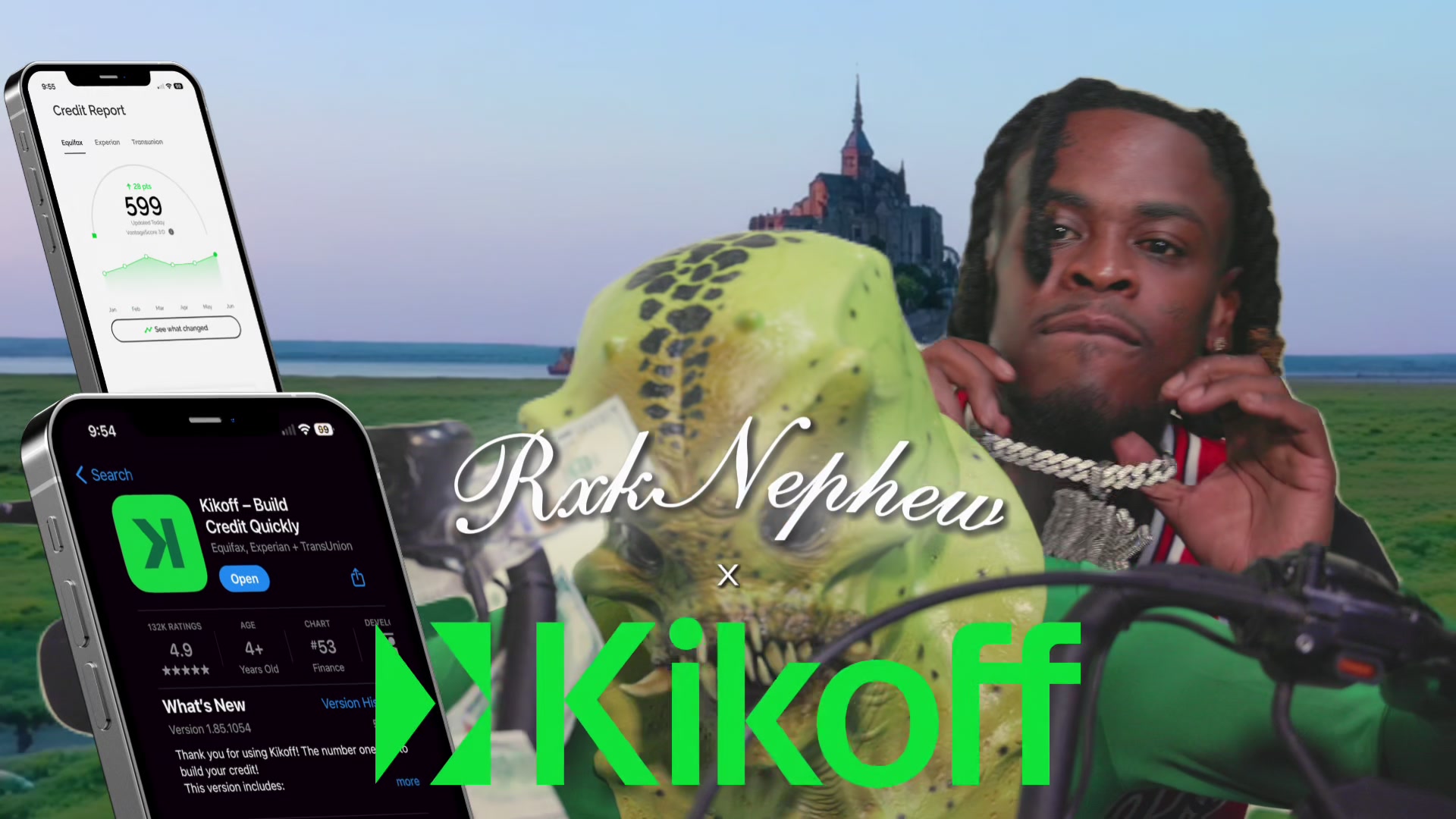
I wrote the concept, directed the shoot, and oversaw the edit. The spot is RxkNephew against green screen, performing over his own track "Critical," a song whose TikTok sounds had already been used more than 165,000 times. It is a Kikoff ad, with a Kikoff offer and Kikoff compliance language. It is also, unmistakably, an RxkNephew video, and that is the trick. It reads as his before it reads as ours.
The numbers, verified against the Meta Marketing API. Over its life the ad earned 1,776 shares, where the account's own norms predicted about 92 at that impression volume. Its share rate was 35 times that of Kikoff's ten highest-spend ads, and 19 times the account as a whole. Adjusted for placement, since 88 percent of the shares came through Instagram Reels, it was still 8 times the account rate. Comments ran at 18 times the account rate. Across Facebook and Instagram it generated roughly 480,000 engagement events on $14,272 of media, three cents apiece. And it did this without the usual tradeoff. The launch flight acquired customers at $44.50 against a concurrent account average of $48.87, and before a late, half-budget rerun its lifetime cost per customer was $46.43, still under the account. It was a dark post. No organic Kikoff post existed. Every one of those shares was a person choosing to pass along an advertisement. Before the month was out, the artist was reposting fans' reactions to his own Story.
It was the only ad in the company's history to go viral. It ran in three short flights between August 4 and November 3, 2025, on a test budget, and was not scaled beyond it.
The argument the ad makes is narrow, and I think it is important. Performance creative gets described as the opposite of cultural creative, as if conviction were a luxury you buy with margin. Here the conviction was the efficiency. The artist was affordable because the relationship was real. The rights were perpetual because the ask was honest. People shared the ad because it had not been sanded down into something a dashboard would recognize, and the cost per customer held because the people who found it funny were the people the product was for. A creative strategist's job in a performance shop is not to argue for taste against the numbers. It is to find the places where taste is the number, and to be right about them early enough for the numbers to catch up.
placements
frames
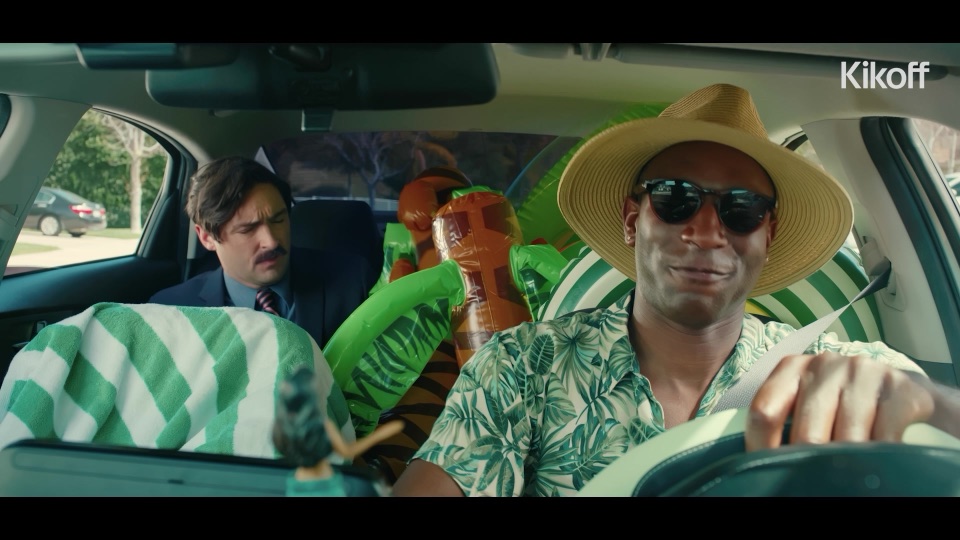
Rideshare Driver's One Weird Trick Beats Every Testimonial On CTV††
Vacation Fund
Playboi Carti Producer Announces New Collaboration With Equifax¶
Kikoff recruiting videosLegal Teams Love This Simple Trick: 800+ Launches, 0 Violations‡
The Compliance Guide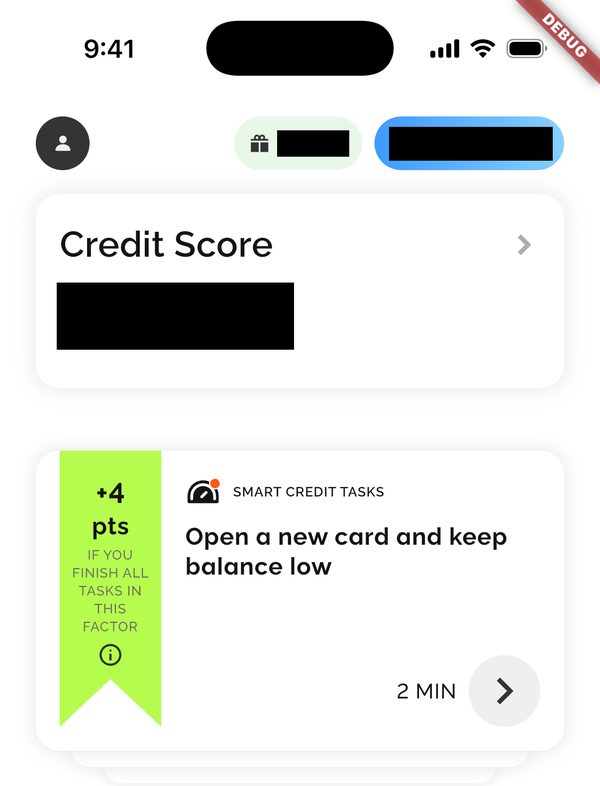
Creative Strategist Builds The Whole Team's Tooling With Zero Engineers
Creative toolingA Former Poet Names A Cash Advance App. You'll Never Guess Which. (You Will.)
Grant$140M+ Of Media Ran On One Creative's Ideas. The Receipts Are Below.§
The scale†† $53.99 blended cost per customer on connected TV, April 22 to May 31, 2026, against $76 to $81 for the evergreen testimonials. ¶ Glasear (John Ong), a Grammy-nominated producer whose credits include Playboi Carti: three original tracks, commissioned and directed for the recruiting films shot with Equifax, 2026. ‡ ad launches through April 2026, not one compliance flag. § cumulative paid media behind the work, a conservative floor under the tenure estimate.